
Sunday, December 14, 2025
Folio: A Personal Finance Tool Built with Agentic AI (Google Antigravity & Cursor)
Introduction
For a long time I wanted to build an app to tackle a personal problem: Finantial Fragmentation. I have investments spread across stock brokers, bank deposits and retirement funds. Tracking my true “Net Worth” meant logging into different portals and maintaining a tedious spreadsheet. I wanted a single, beautiful dashboard to aggregate everything.
I know many solutions that do exactly this already exist. However, I wanted to build something myself and have a solution that guarantees all my data is stored locally on my machine, not somewhere else.
Besides that, I wanted to try out the brand-new Google Antigravity, an advanced Agentic AI IDE. Since I used all my free credits in just one day, I ended up fixing some minor bugs using Cursor.
I call it Folio. To build it, I paired up with Google Antigravity. In my daily work, I’m used to use tools like GitHub copilot in chat mode and in the agentic mode, but the experience with Google Antigravity was incredible fun and significantly better.
The Tech Stack
The tech stack was chosen by Google Antigravity, since for building Folio I just take the role of a Product Manager, giving a general description of what I want to build and features to implement. Google Antigravity chose a modern, robust stack to ensure performance and maintainability:
- Framework: Next.js (React)
- Styling: Tailwind CSS for that sleek, dark-mode aesthetic.
- Database: SQLite with Prisma ORM (simple, portable, efficient).
- Data: Yahoo Finance API for real-time stock quotes.
The “Folio” Experience
The goal was to create a “Set and Forget” view of my wealth. Here is what we built.
1. The Global Dashboard
The heart of the application is the Dashboard. It gives me an immediate breakdown of my total net worth, split between Liquid Assets (Stocks, Crypto) and less Risky Assets (Deposits, Pensions).
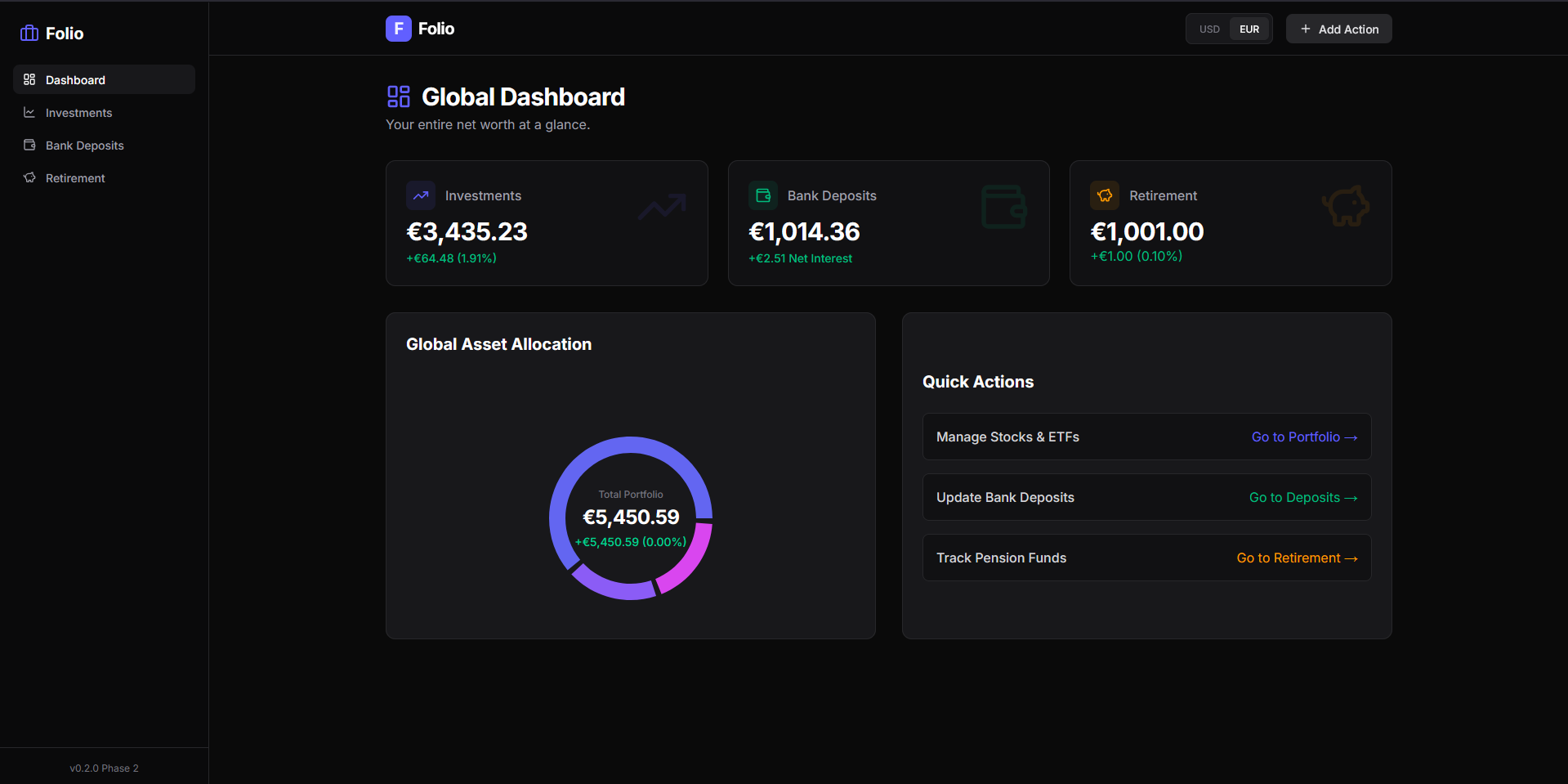
Figure 1 - Folio main dashboard.
The “Quick Allocation” chart (using Recharts) was a key addition, helping me see instantly the exposition to different kind of assets.
2. Investment Portfolio
For the active picking side of things, I needed more than just a total. The Investments page tracks individual holdings, average buys, and current P/L using live market data.
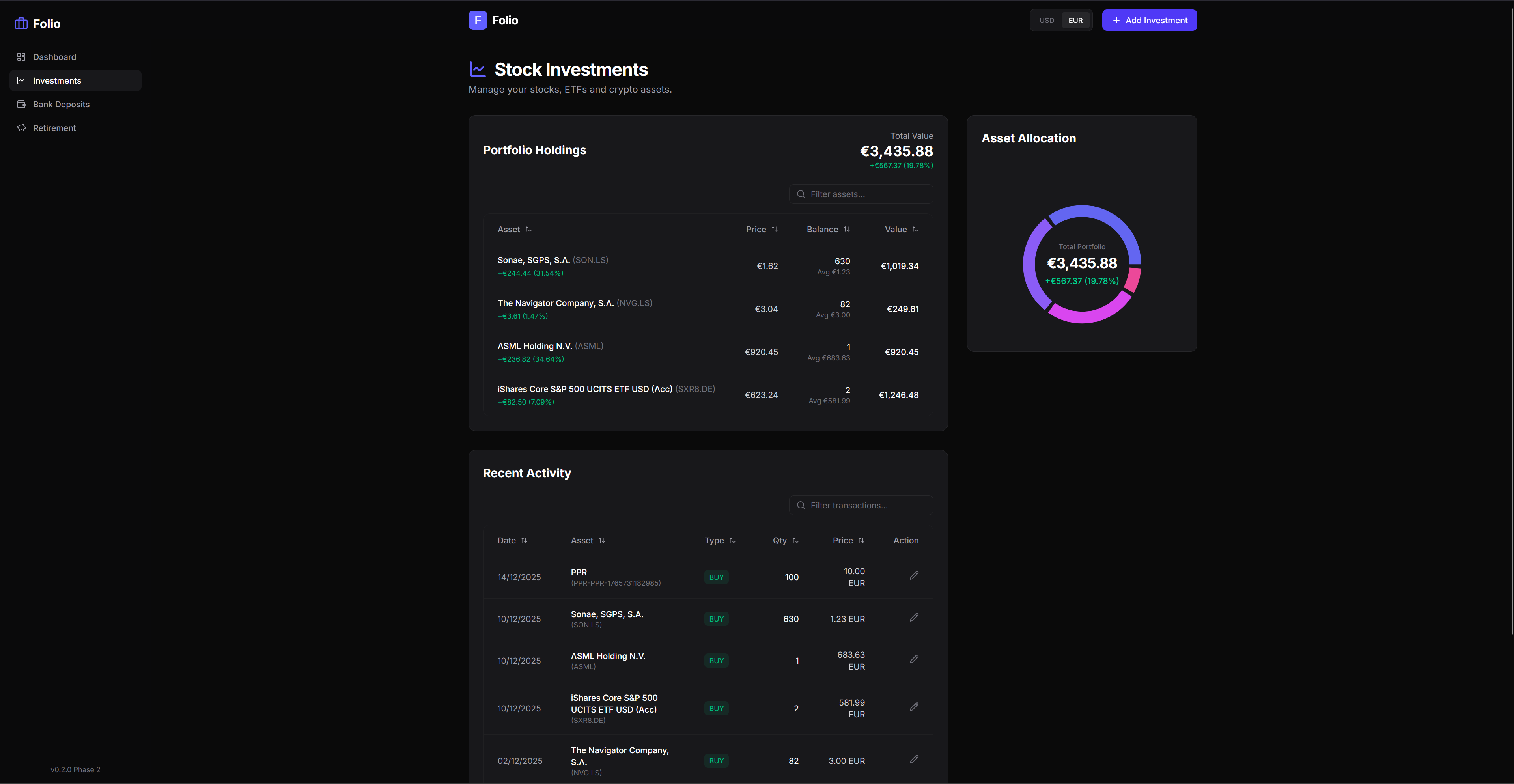
Figure 2 - Folio investments dashboard.
3. Deposits & Pensions
A balanced portfolio needs stability. We built dedicated modules for Term Deposits and Retirement Funds.
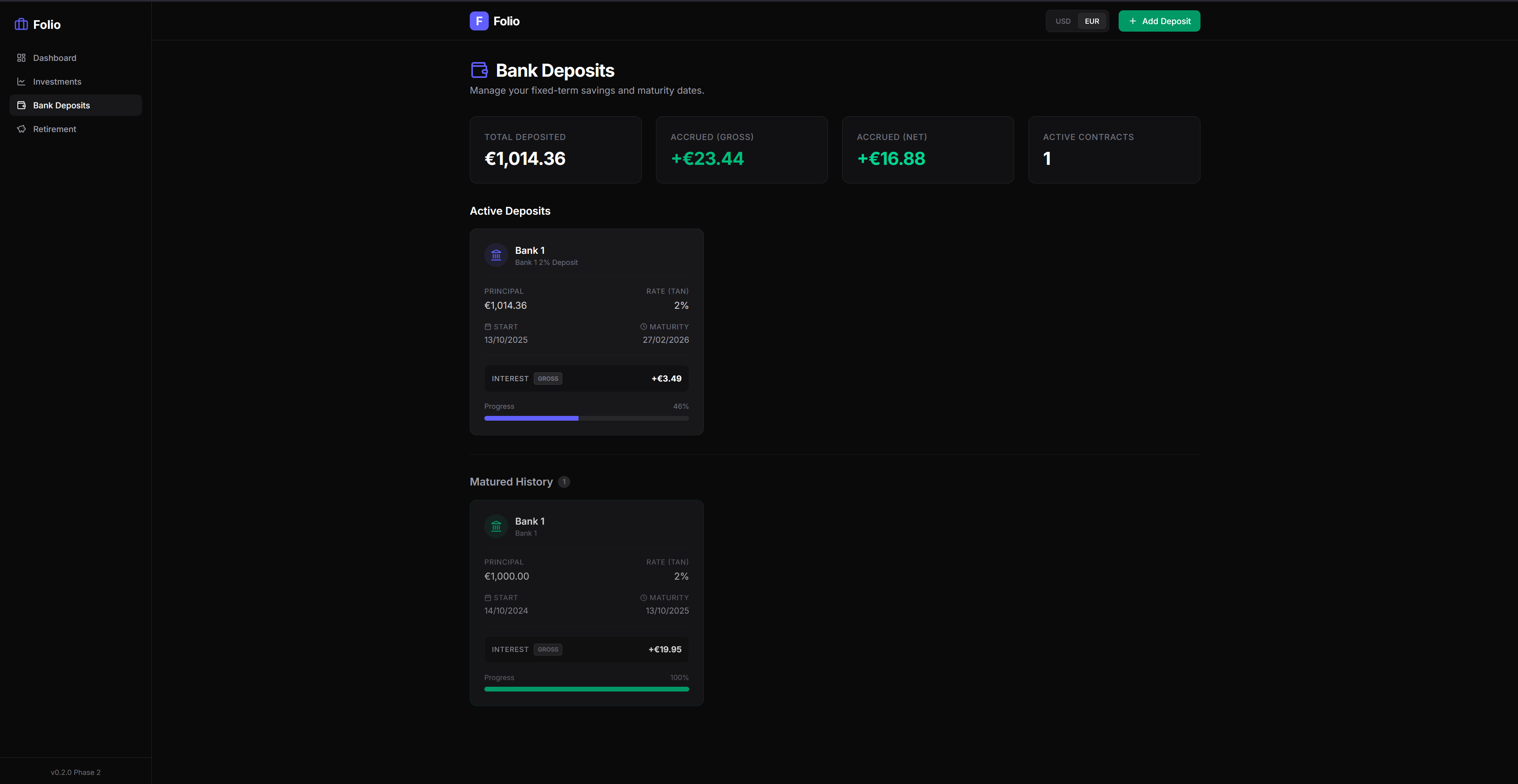
Figure 3 - Folio bank deposits dashboard.
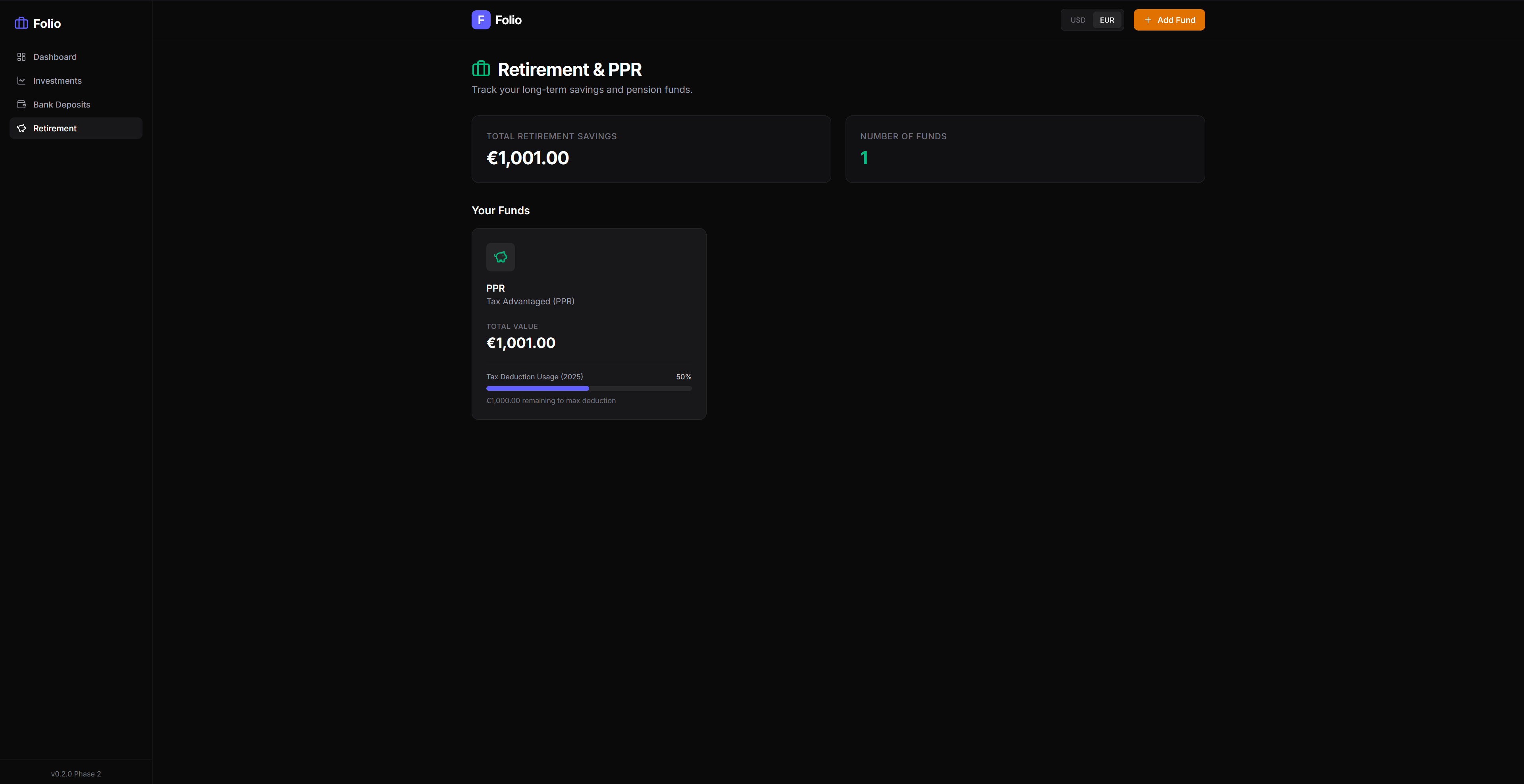
Figure 4 - Folio retirement funds dashboard.
Building with Antigravity
This project wasn’t just about the code; it was about the process. Working with an Agentic AI felt less like using a code completion tool and more like directing a Senior Engineer while in the role of a Product Manager. In fact, I didn’t write a single line of code for Folio.
The development of Folio with Google Antigravity made it even more clear to me that the future (and present) of software development will involve using these Agentic AI tools. Indeed, the role of a software professional seems to be shifting towards a blend of Product Manager and Software Architect. The former typically defines what to build, what features to implement, etc, while the later defines how to build it to be robust, scalable and maintainable.
Of course, when building software in the enterprise world, there are still a lot of things that you have to take care, such as compliance, integration with existing APIs and tools, etc. However, tools like this are amazing to speeding up the development and prototyping.
Finally, I would like to emphasize some “skills” of the Agentic AI IDE:
- Context Awareness: The agent understood the difference between a “Deposit” and a “Stock” without me needing to explain the schema every time. In fact, I often asked it to take on the role of a PM, suggest new features, create and plan, and then build it after my validation.
- Refactoring: Refactoring is incredible fast. This is perfect not only for continuous development and improvement, but also for iterating over different solutions to a problem.
- Speed: We went from “Idea” to “Working Prototype”—complete with database migrations, UI components, and API integration—in record time.
- Error Fixes: When a change introduced an error in the application, I just needed to take a screenshot of the error and give it to the agent. A few seconds later, the bug was usually solved.
What’s Next?
You can find the source code for Folio on my Github. Feel free to give it a try! All financial data you enter while experimenting with the application will be stored locally on your machine.
There are many features that would be nice to implement in Folio. Here are a few examples:
- Automatic Data Imports: Automate ingesting buy/sell asset data from brokers and bank accounts.
- Tax Calculator: Automate filling out IRS documentation.
- Asset Indicators: Implement more economic and financial indicators, such as Time-Weighted Return (TWR).
Building Folio has been a masterclass in modern web development and AI-assisted workflows. It proves that with the right tools, you can build production-grade applications for your personal life in a single weekend.